
Where the only water available is the sea or a brackish well, reverse osmosis turns it into fresh water. We supply the parts of a desalination system: Toray seawater and brackish water RO membranes, Toray ultrafiltration for pretreatment, pressure vessels, high-pressure pumps, antiscalants and membrane cleaners, and complete compact seawater systems. Send us the water analysis and the flow you need, and we help size each stage.
Seawater and Brackish Water Desalination
Seawater and brackish water reverse osmosis, with Toray UF pretreatment, high-pressure pumps, vessels and membranes shipped from Florida.
The parts of a desalination system
Seawater and brackish water use the same technology, but salinity changes the pressure, the membrane and the materials.
Seawater reverse osmosis
Seawater RO membranes run at much higher pressure than brackish water membranes and need vessels and pumps rated for it. We supply Toray seawater elements in 4 and 8 inch sizes and our own MB-2540-SW for small systems.
Brackish water reverse osmosis
Brackish wells and estuaries have far less salt than the sea, so low-pressure membranes such as the Toray TMH series, CSM and Hydranautics elements do the job with less pump energy.
UF pretreatment
Toray ultrafiltration modules such as the HFUG-2020AN and F-HFUG-2020AN list seawater RO pretreatment among their applications. UF removes the turbidity, algae and bacteria that would foul the RO membranes.
Antiscalants and cleaning
An antiscalant dosed ahead of the membranes keeps salts from precipitating as the water concentrates. Acid and alkaline cleaners restore flow when scale or fouling builds up.
High-pressure pumps and energy
The high-pressure pump uses most of the energy in a desalination system. CAT plunger pumps, also in 316 stainless steel models, suit seawater; Procon rotary vane pumps feed small low-pressure systems.
Pressure vessels
FRP vessels rated from 300 to 1,000 psi for 1 to 6 elements, and stainless steel vessels, in the standard membrane sizes.
A typical treatment train
The exact stages depend on the source and the use of the water.
Intake and screening
A beach well, open intake or brackish well, with screens or media filters to stop sand and large solids.
Ultrafiltration or cartridge filters
UF for variable or turbid seawater; cartridge filters as the last barrier before the high-pressure pump.
Antiscalant dosing
A metering pump adds antiscalant to the feed so the membranes do not scale.
Reverse osmosis
The high-pressure pump pushes the water through the membranes in their vessels; the concentrate leaves as brine.
Remineralization and disinfection
RO water is very low in minerals. Calcite media raises the pH and adds hardness back, and a UV stage disinfects before storage.
Who desalinates water
Hotels and resorts on islands
Caribbean islands with little fresh groundwater rely on seawater RO for guest rooms, kitchens, pools and laundries.
Coastal mines
In the deserts of northern Chile and Peru, the sea is often the most reliable source for camps and processes.
Florida brackish wells
Many wells in Florida draw brackish groundwater, which a low-pressure brackish RO system treats with less energy than seawater.
Coastal communities and boats
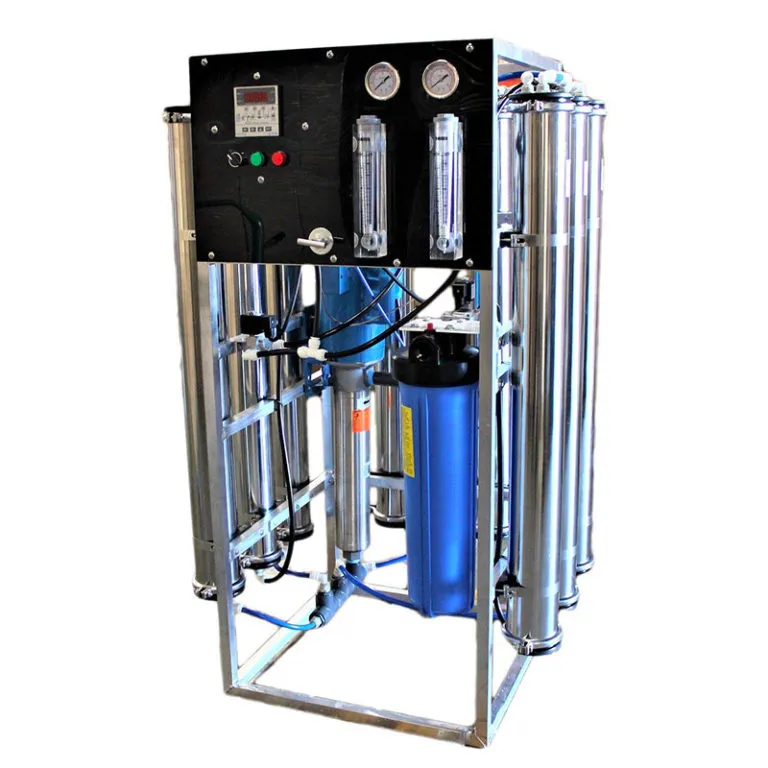
Compact seawater systems from 500 to 1,300 GPD for small communities, properties and boats, with spare membranes and parts in stock.
Membranes and equipment for desalination
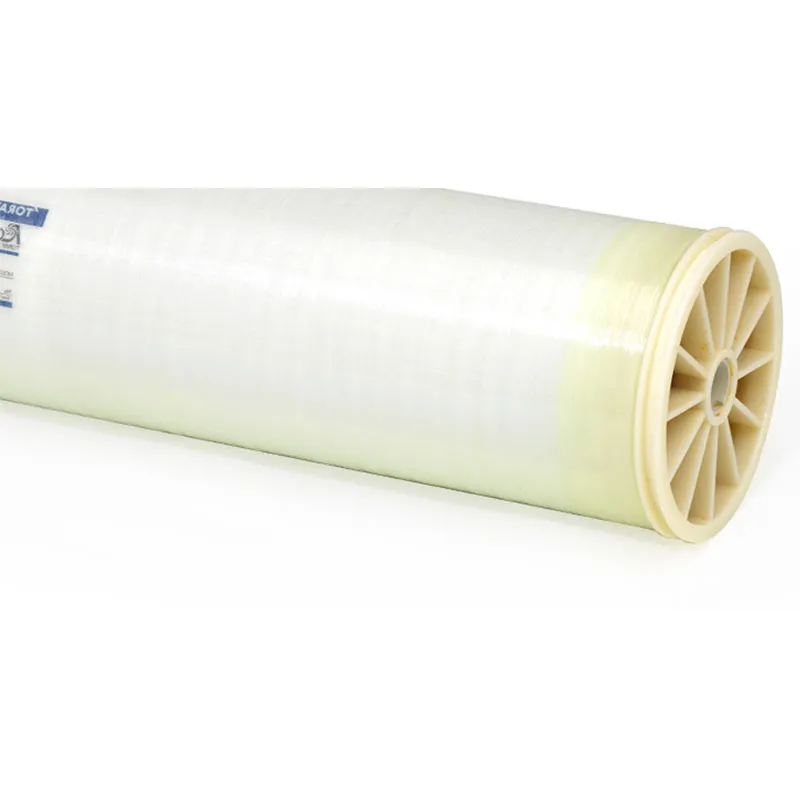
Toray Sea Water RO Membranes
Toray Reverse Osmosis Membranes for sea water: 8.0"x40". Contact us to get your quote.
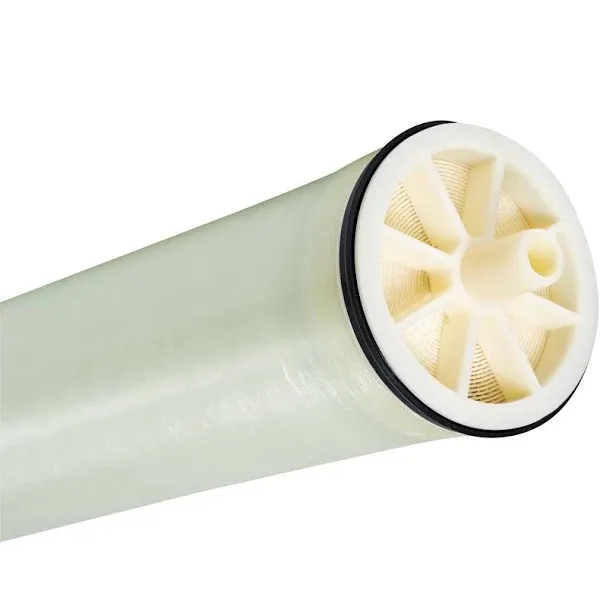
Water Purification Supplies MB-2540-SW Sea Water RO Membrane 2.5" x 40"
Specifications & operating limits. Nominal / minimum salt rejection: 99.6% / 99.3%. Permeate flow: 600 GPD (2.3 m³/d), ±15%. Active membrane area…
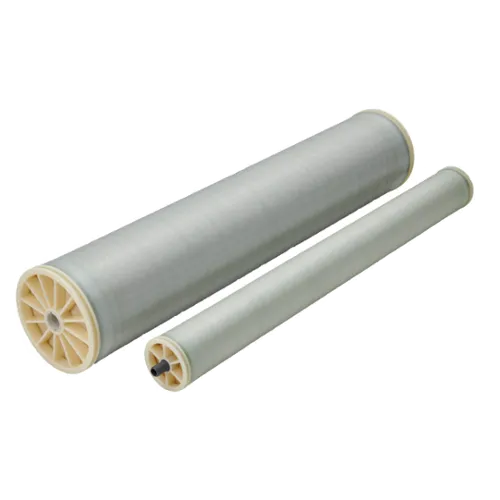
Toray TMH Series Ultra-Low-Pressure RO Membranes – 4" & 8" (TMH10A, TMH20A-400C, TMH20A-440C)
Toray TMH series ultra-low-pressure (ULP) reverse osmosis membrane elements deliver high permeate output at reduced operating pressure, lowering…
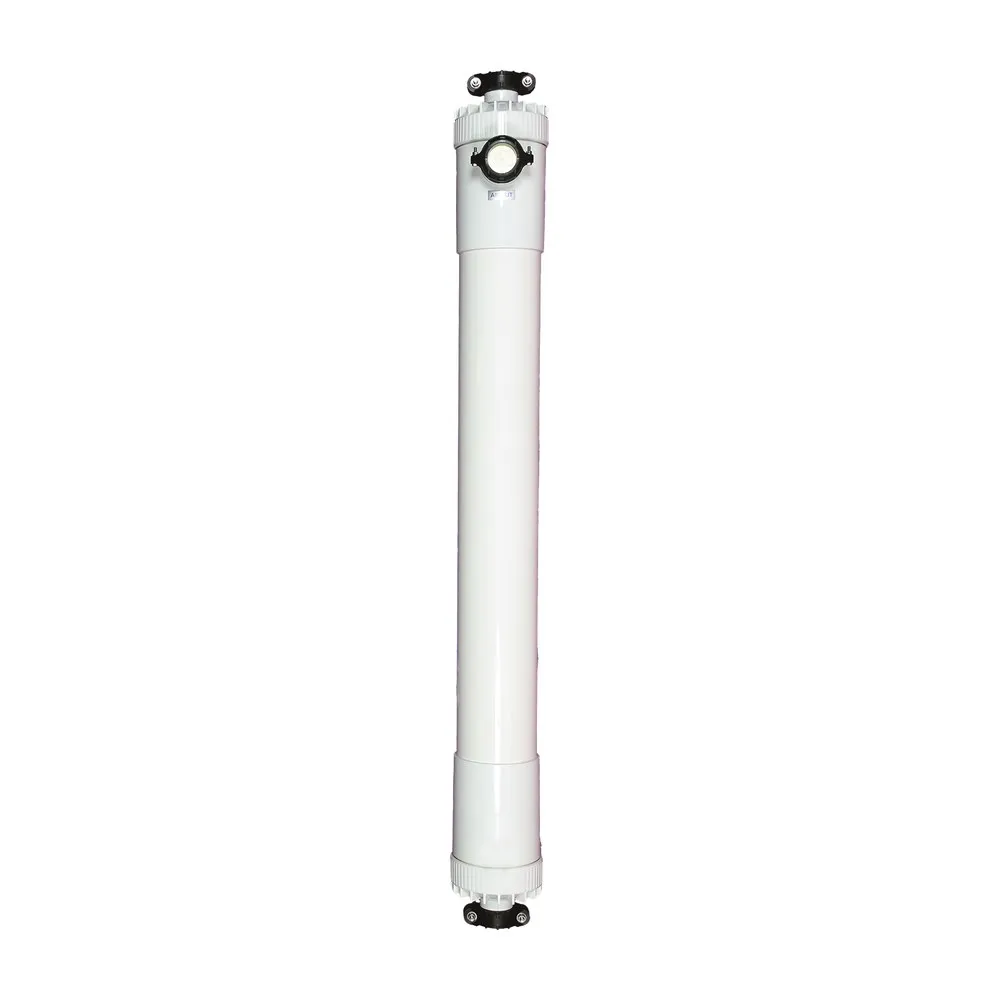
Toray® Ultrafiltration Membrane Module HFUG-2020AN
High-output Toray UF module: 90 m² (969 ft²) of 0.01 µm PVDF hollow fiber, up to 15 m³/h (66 gpm), NSF/ANSI 61 and 419 certified.
- HFUG-2020AN
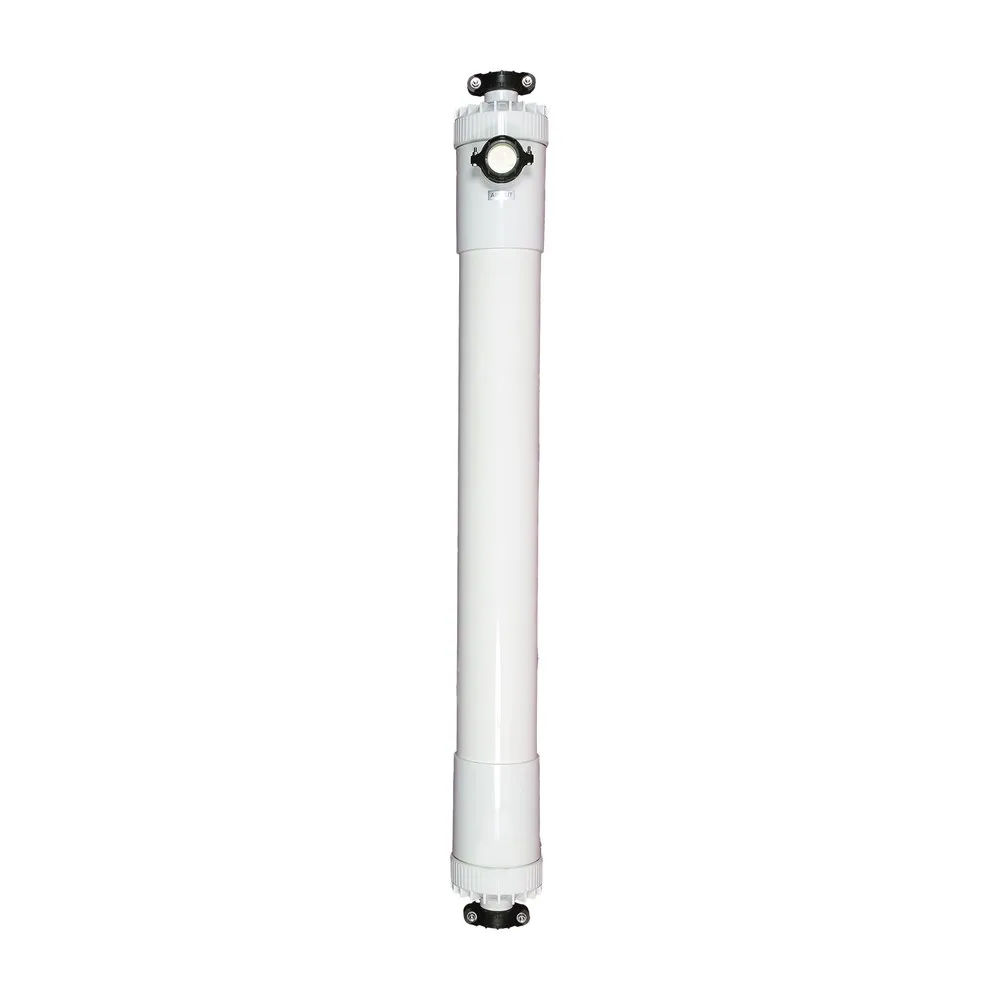
Toray® Ultrafiltration Membrane Module F-HFUG-2020AN
Toray UF module with 0.005 µm pores for integrated UF–RO systems: 90 m² (969 ft²), up to 15 m³/h (66 gpm), same size as the HFUG-2020AN.
- F-HFUG-2020AN
Sea Water Reverse Osmosis System 1,300GPD
Sea water reverse osmosis system Capacity: 1300GPD Membranes: 3 Power Supply options: 110v-230 V / 50-60Hz Reverse Osmosis is a water purification…
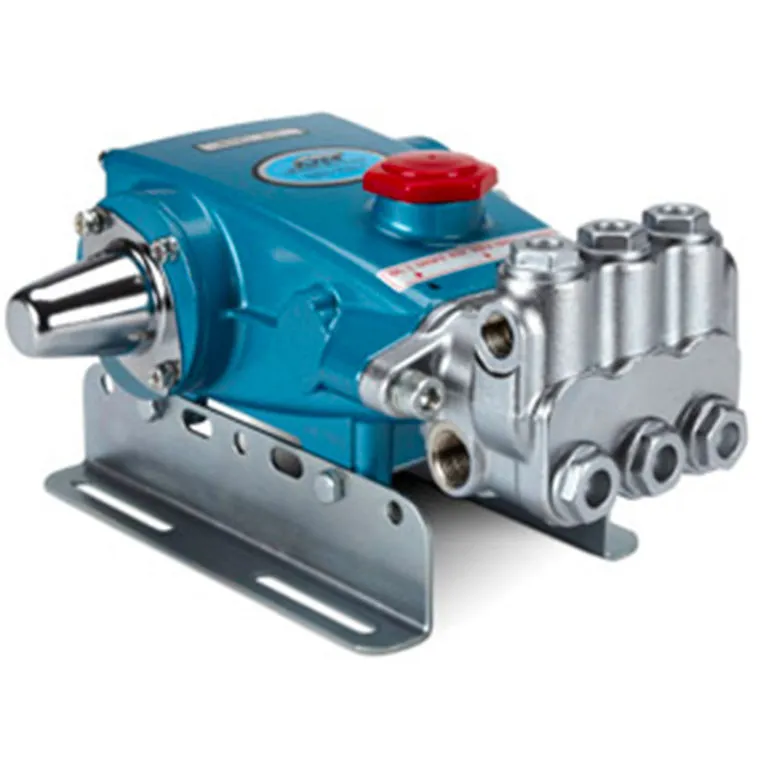
Plunger Pumps
CAT Pumps
Three plunger rods positive displacement, reciprocating, plunger pump. Forged brass manifold, 304SS valve assemblies, solid ceramic plungers and…
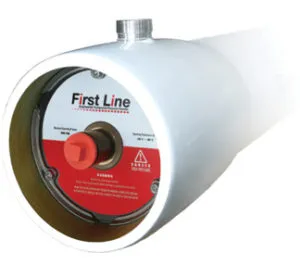
FRP Pressure Vessels
Available from 300 psi to 1000 psi | For 1 to 6 elements. 1000 psi vessels also available on other sizes
- V2521-SW
- V2540-SW
- V4040-FRP
- V4040-SW
- V4080-FRP
- +7 more
Catalog pages
 Commercial Reverse Osmosis17 product lines
 Membranes31 product lines
 Ultrafiltration Membranes9 product lines
 Vessels3 product lines
 CAT Pumps5 product lines
 Antiscalants6 product lines
 Ultraviolet49 product lines
What to send us for a quote
The more of this you can send, the faster and closer the quote. If you do not have a water analysis, tell us and we will say what to measure.
- Water analysis
- Total dissolved solids or conductivity, hardness, silica, iron, turbidity and temperature of the source.
- Source
- Open sea intake, beach well or brackish well.
- Flow needed
- Fresh water per day, and the use it is for.
- Power on site
- Voltage and phase, or whether it runs on a generator.
- Existing system
- Model and number of membranes and vessels, if you are replacing parts.
- Location
- Country and nearest port or city, to plan shipping.
Related industries and applications
Industrial Water Treatment in the Caribbean
Desalination membranes, equipment and spare parts for islands, hotels, bottlers, pharmaceutical plants and the energy industry, shipped from South Florida.
Industrial Water Treatment in Florida
Our home state. Membranes, equipment and spare parts for brackish RO plants, hotels, cooling towers, food and beverage plants and boats, from our warehouse in Pembroke Park.
Industrial Water Treatment in Chile
Membranes and spare parts for copper and lithium mining in the north, seawater desalination, and the food, wine and aquaculture industries, shipped from Florida.
Industrial Water Treatment in Peru
Membranes, equipment and spare parts for mining in the Andes, desalination on the arid coast, and the fishing and agro-export industries, shipped from Florida.
Water Treatment for Mining
Drinking water for camps, process water, mine and camp wastewater, and water reuse, with Toray membranes shipped from Florida.
Water Reuse with MBR, Ultrafiltration and Reverse Osmosis
Treat wastewater once more and use it again for irrigation, washing, toilet flushing, cooling towers and boilers, with Toray membranes shipped from Florida.
Common questions
What is the difference between seawater and brackish water RO?
Salinity. Seawater has much more dissolved salt, so it needs seawater membranes, a higher-pressure pump and vessels rated for that pressure. Brackish water works with low-pressure membranes and uses less energy. The water analysis tells which one you need.
Why use ultrafiltration before seawater RO?
Seawater carries algae, bacteria and fine particles that change with tides and seasons. UF removes them and gives the RO membranes a steady, clean feed, which means less fouling and fewer cleanings.
What happens to the brine?
The concentrate from a seawater system usually returns to the sea, and from a brackish system it goes to a sewer, a disposal well or the sea. How it is discharged depends on the site, so plan it with the project.
Do you sell replacement seawater membranes?
Yes. We supply Toray seawater RO membranes and our own MB-2540-SW, and ship from Florida to the United States, Latin America and the Caribbean. Send us the model of your current membrane and we confirm the replacement.
Can a small seawater system run on a boat or an island property?
Our compact seawater systems from 500 to 1,300 GPD have power options from 110 to 230 V, 50 or 60 Hz. Tell us the space and power you have and the water you need each day, and we confirm the right model.
Need a price or help choosing a part?
Tell us the part number or what you are trying to fix. We answer in English and Spanish and ship the same day from Pembroke Park, Florida.