
A cooling tower loses water to evaporation and leaves the salts behind, so the water it keeps gets harder and dirtier every hour. We supply the equipment that keeps that water under control: Clack softeners and reverse osmosis for makeup water, high-flow filters for side-stream filtration, metering pumps for chemical dosing, and conductivity and pH controllers to run the blowdown. Send us the makeup water analysis and the tower size, and we help size each stage.
Cooling Tower Water Treatment
Makeup water softening and RO, side-stream filtration, dosing pumps and conductivity controllers for cooling towers, shipped from Florida.
What happens to cooling tower water
Every tower fights the same three problems, and the water it starts with decides how hard the fight is.
Scale
As water evaporates, calcium carbonate, silica and other salts reach their limit and deposit on the heat exchanger and the fill. A thin layer of scale already cuts heat transfer and raises energy use.
Corrosion
Warm, oxygen-rich water with chlorides attacks steel and copper in pipes and condensers. Inhibitors and pH control slow it down.
Biofouling
Sunlight, warmth and nutrients let algae, biofilm and bacteria such as Legionella grow in the basin and fill. A biocide program and clean water keep them in check.
Makeup water softening
A Clack softener removes the hardness from makeup water, so the tower can run more cycles before scale forms and needs less blowdown.
RO and reuse water as makeup
Where the makeup water is very high in dissolved solids, reverse osmosis lowers them. Treated wastewater from an MBR or UF stage can replace fresh water as makeup.
Side-stream filtration
Filtering part of the recirculating water removes the dust, pollen and sludge the tower pulls from the air. Stainless steel multicartridge or bag filters and media filters with Clack valves do the job.
Running the water program
Cycles of concentration compare the conductivity of the tower water with that of the makeup water. More cycles mean less water wasted, up to the point where scale starts to form.
Treat the makeup water
Soften it or lower its dissolved solids so the tower can run more cycles.
Filter a side stream
Keep suspended solids low so inhibitors and biocides work and the fill stays clean.
Dose the chemicals
Blue-White and Pulsafeeder metering pumps feed the scale and corrosion inhibitor and the biocide your program uses.
Control the blowdown
A conductivity controller opens the blowdown valve when the water reaches its set point and closes it when fresh makeup brings the level down.
Check the water
Handheld meters for conductivity, pH, ORP and free chlorine confirm what the controllers read.
Where cooling towers run
Hotels and hospitals
Chilled water systems for air conditioning, where clean tower water also matters for the health of guests and patients.
Data centers
Cooling runs all year, so saving makeup water and avoiding scale on the heat exchangers pays off every day.
Plants and factories
Process cooling for food, plastics, chemicals and power, often with makeup water from wells or reuse.
UV and ozone
A UV sterilizer on a side stream reduces bacteria in the water that passes through it, and some systems use ozone as an oxidizing biocide.
Equipment for cooling tower water
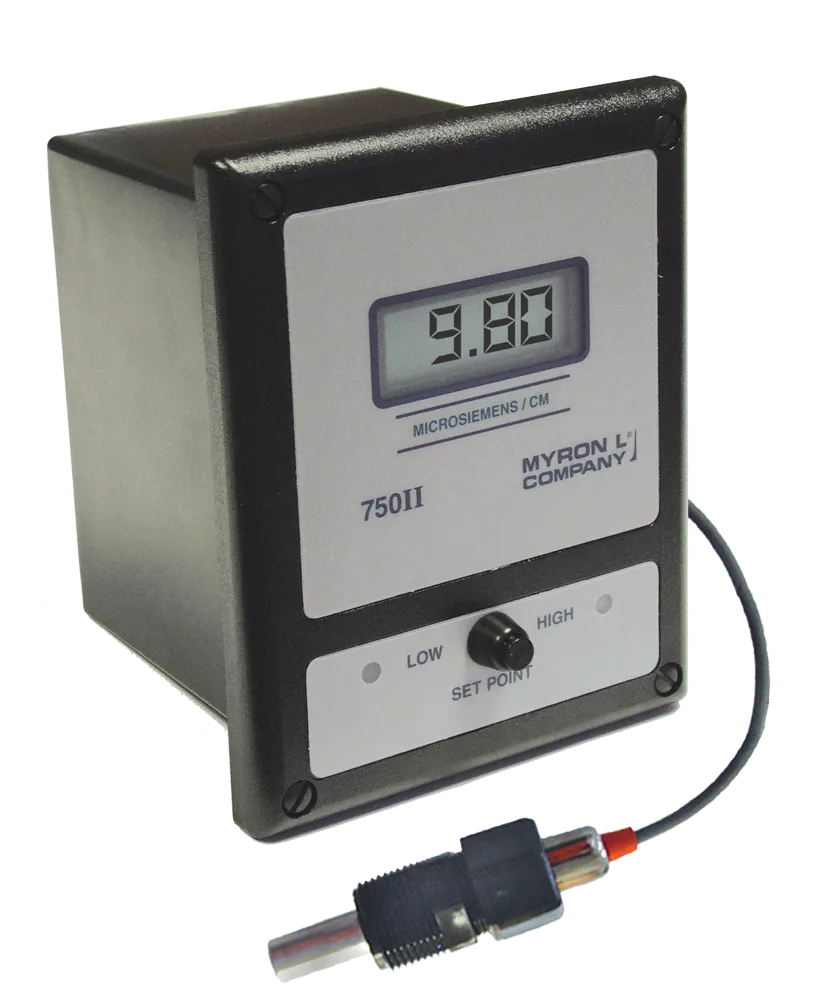
750 Series II Conductivity / TDS Monitor / Controllers
Myron
Temperature Compensation: Integral thermistors provide automatic TC to 25ºC between 0-100ºC/32-212ºF. Pressure /Temperature Limits: CS51: 100 psi /…
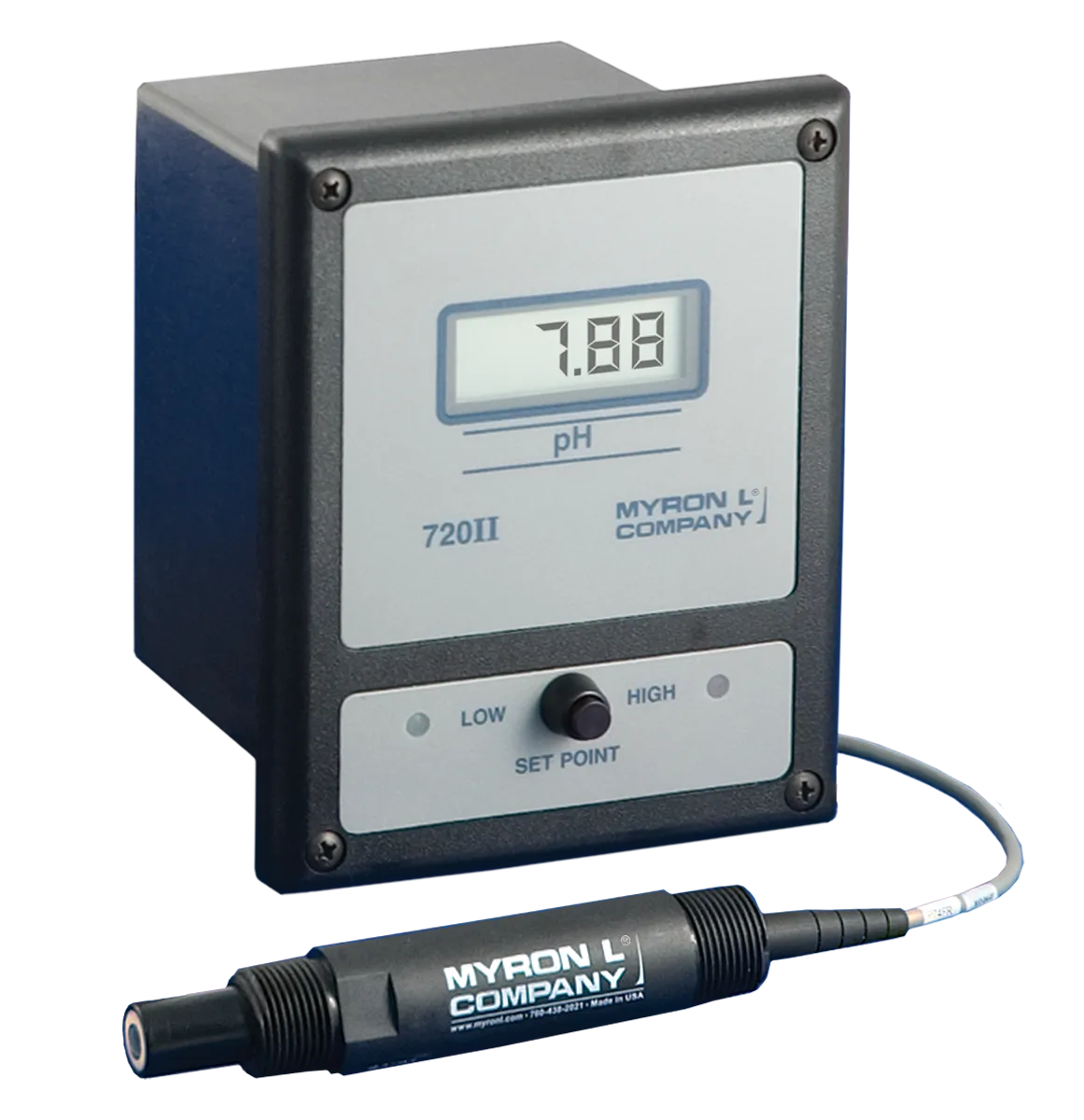
720 Series II pH / ORP Monitor / Controllers
Myron
Temperature Compensation: Integral temperature sensor provides automatic TC to 25°C between 0 – 100°C/ 32 – 212°F. Pressure/Temperature Limits…
MYRON 6PFC E Ultrameter II
6PIIFC. Measures 6 parameters on field: Conductivity. Resistivity (10 KΩ–30 MΩ). TDS. ORP (±999 mV). Free Chlorine (0.00–9.99 ppm). pH (0–14)…
- MYRON 6PIIFC
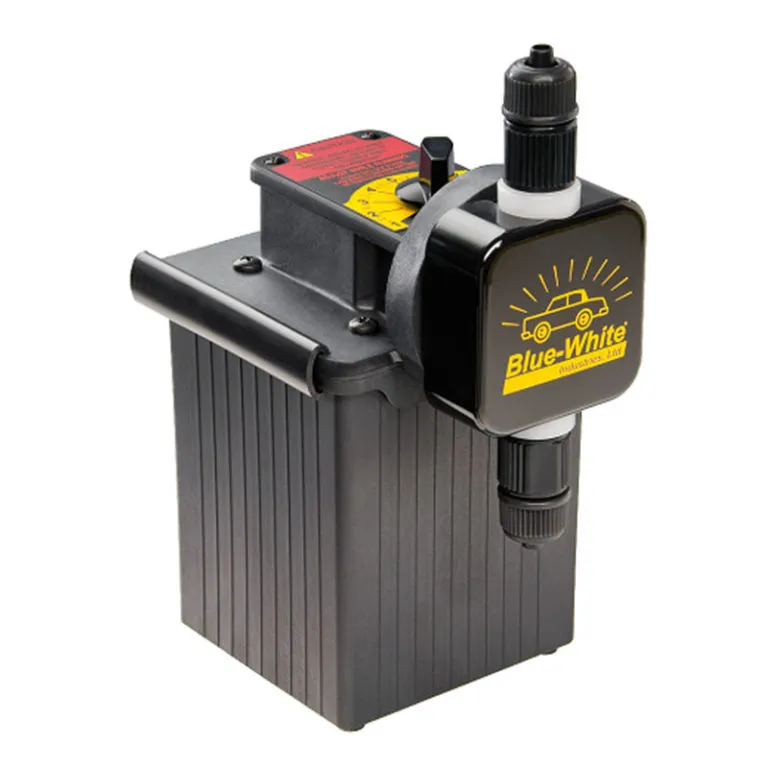
CHEM-FEED® Metering Pump C-1500N
Blue-White
Heavy Duty Head injectors with Cartridge Valves made of PVDF. Valves with two ceramic checks, double sealed. Double ball valve ideal for purging air…
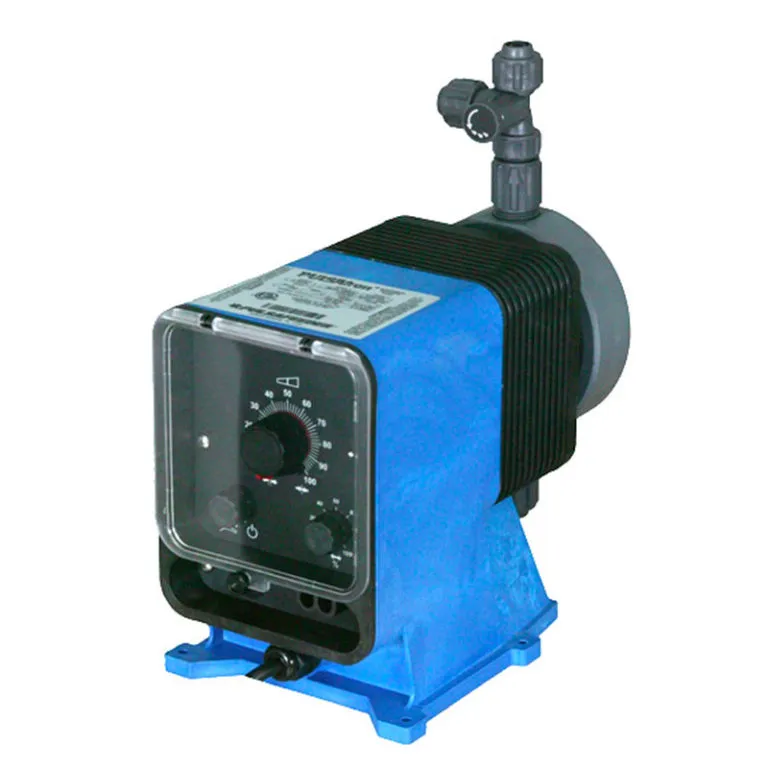
DOSIS PUMP PULSAtron® C Series
Pulsafeeder
Manual stroke length adjustment with fixed stroke rate (turndown ratio of 10:1). Metering performance is reproducible to within ± 3% of maximum…
- LC02SA-VHC1-F05
- LC03SA-VHC1-F05
- LC04SA-VHC1-F05
- LC54SA-VHC1-F54
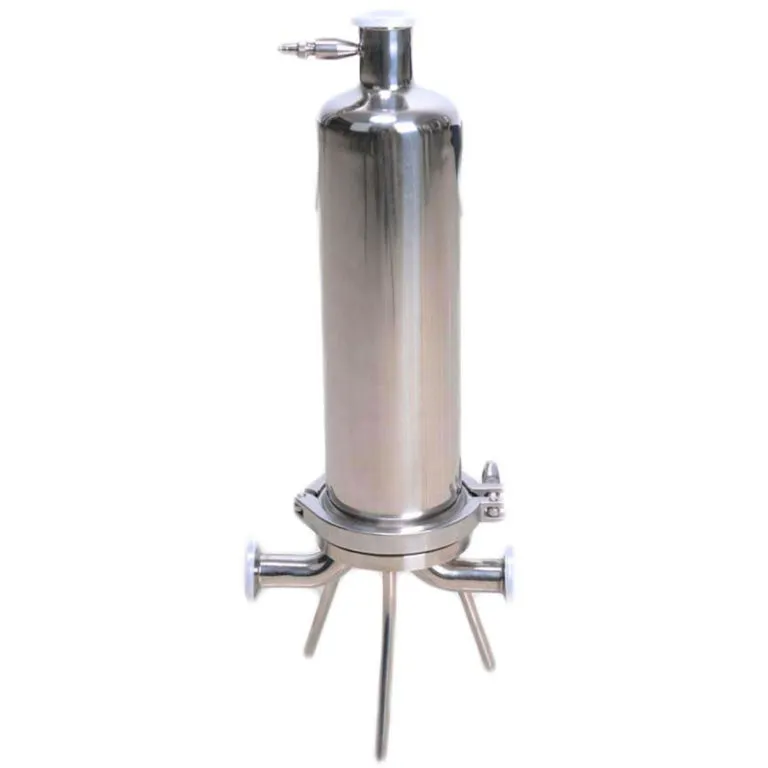
SS Multicartridge Filters
Housing made of SS 304 or 316L, polished finish. With mounting legs. From 40 to 200 GPM. Available for cartridge filtration or bag filter
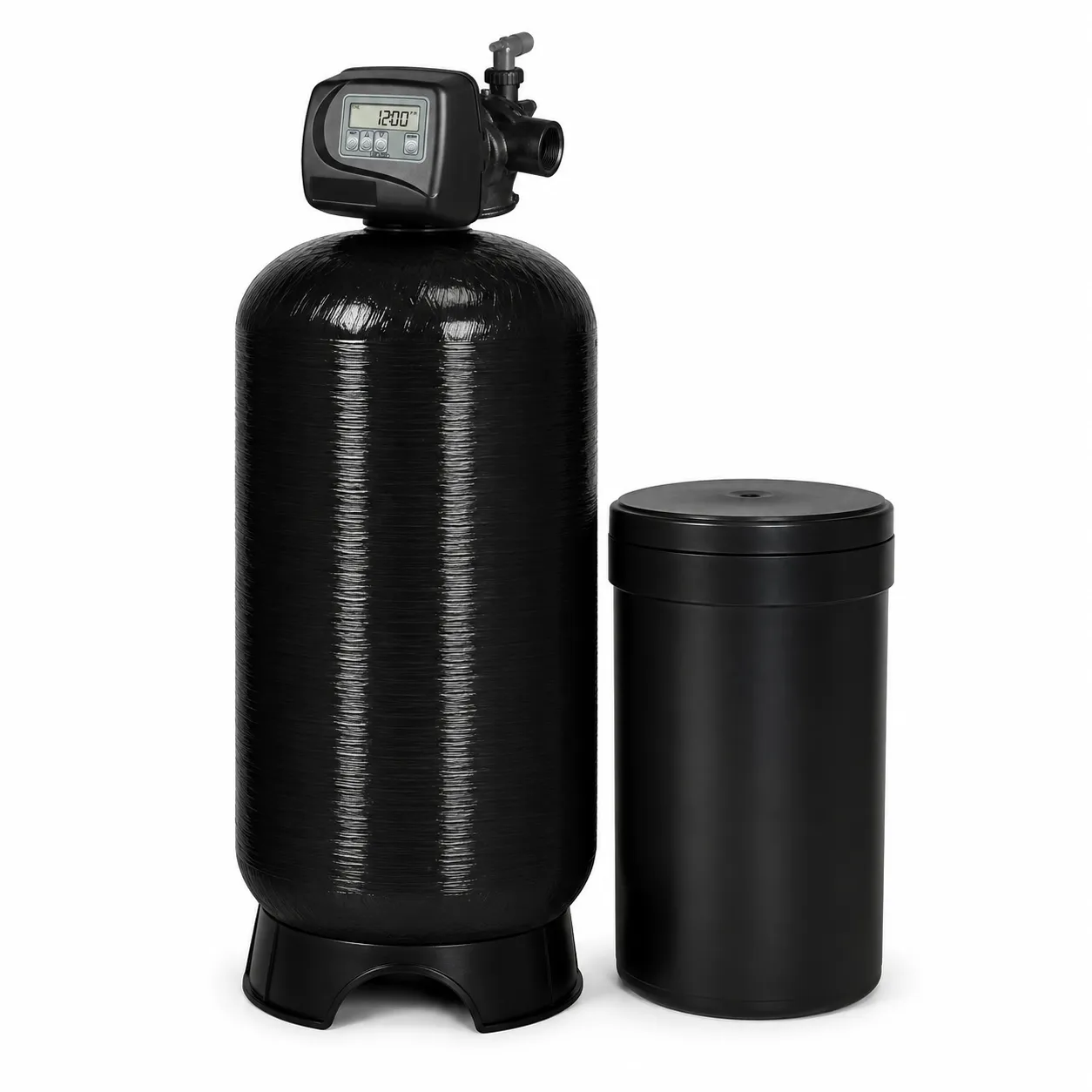
Clack Softener 10 Cubic Feet(320,000 grain) 70 GPM service flow
Comes With Clack Softener Valve: WS1.5TC and WS1.5EE Grain: 320,000 Service Flow: 70 GPM Backwash Flow: 52 GPM Brine Tanks Dimensions: 24” x 50”…
Catalog pages
 Clack Water Softeners8 product lines
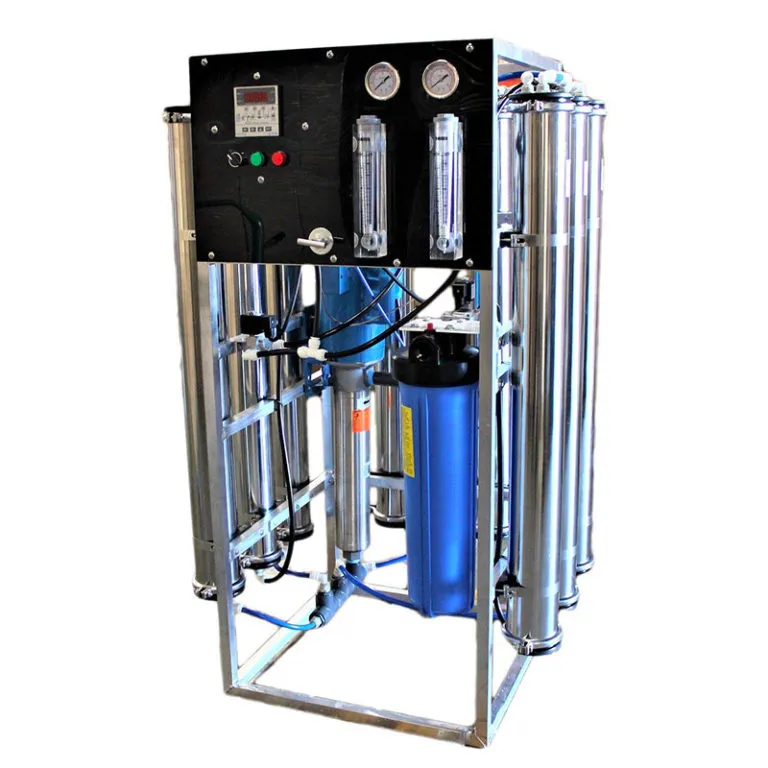 Commercial Reverse Osmosis17 product lines
- High Flow Filters2 product lines
 Blue-White Pumps6 product lines
 Pulsafeeder Pumps1 product line
 Monitors & Testers39 product lines
 Ultraviolet49 product lines
What to send us for a quote
The more of this you can send, the faster and closer the quote. If you do not have a water analysis, tell us and we will say what to measure.
- Makeup water analysis
- Hardness, alkalinity, conductivity or total dissolved solids, silica, chlorides, iron and pH.
- Tower size
- Tons of cooling or recirculation flow, and the volume of the system.
- Makeup source
- City water, well water or reuse water.
- Current treatment
- Softener, filters, dosing pumps and controllers already installed.
- Power and connections
- Voltage and phase, and the pipe size of the makeup and blowdown lines.
- Location
- Country and nearest port or city, to plan shipping.
Related industries and applications
Water Reuse with MBR, Ultrafiltration and Reverse Osmosis
Treat wastewater once more and use it again for irrigation, washing, toilet flushing, cooling towers and boilers, with Toray membranes shipped from Florida.
MBR Wastewater Treatment with Toray Membranes
Toray flat-sheet MBR modules and replacement cassettes for municipal, industrial and food processing wastewater, shipped from Florida.
Water Treatment for Food and Beverage
Product water for bottled water, beverages and breweries, process and boiler water, and wastewater treatment with MBR and reuse, shipped from Florida.
Industrial Water Treatment in Florida
Our home state. Membranes, equipment and spare parts for brackish RO plants, hotels, cooling towers, food and beverage plants and boats, from our warehouse in Pembroke Park.
Industrial Water Treatment in Texas
Membranes, filters and spare parts for Permian Basin produced water, Gulf Coast refining and petrochemicals, brackish groundwater desalination and data centers.
Industrial Water Treatment in Mexico
Membranes, equipment and spare parts for mining in the north, oil and gas on the Gulf coast, and plants and bottlers across Mexico, shipped from Florida.
Common questions
What are cycles of concentration?
The ratio between the dissolved solids in the tower water and in the makeup water, usually measured by conductivity. At four cycles the tower water holds four times the salts of the makeup. More cycles save water until scale becomes the limit.
Why soften cooling tower makeup water?
Hardness is the main cause of scale in most towers. Removing it from the makeup lets the tower run more cycles, which cuts blowdown and the water and chemicals that go with it.
What does side-stream filtration do?
It filters part of the recirculating water continuously to remove the dirt the tower collects from the air. Cleaner water means less sludge in the basin, better heat transfer and less food for bacteria.
How is blowdown controlled?
A conductivity controller measures the tower water and opens a blowdown valve when it reaches the set point. We supply conductivity and pH controllers, solenoid valves and handheld meters to check the readings.
Do you ship to Latin America and the Caribbean?
Yes. Stock orders ship from Pembroke Park, Florida, the day they are placed, to the United States and for export to Latin America and the Caribbean. Quotes and data sheets are available in English and Spanish.
Need a price or help choosing a part?
Tell us the part number or what you are trying to fix. We answer in English and Spanish and ship the same day from Pembroke Park, Florida.